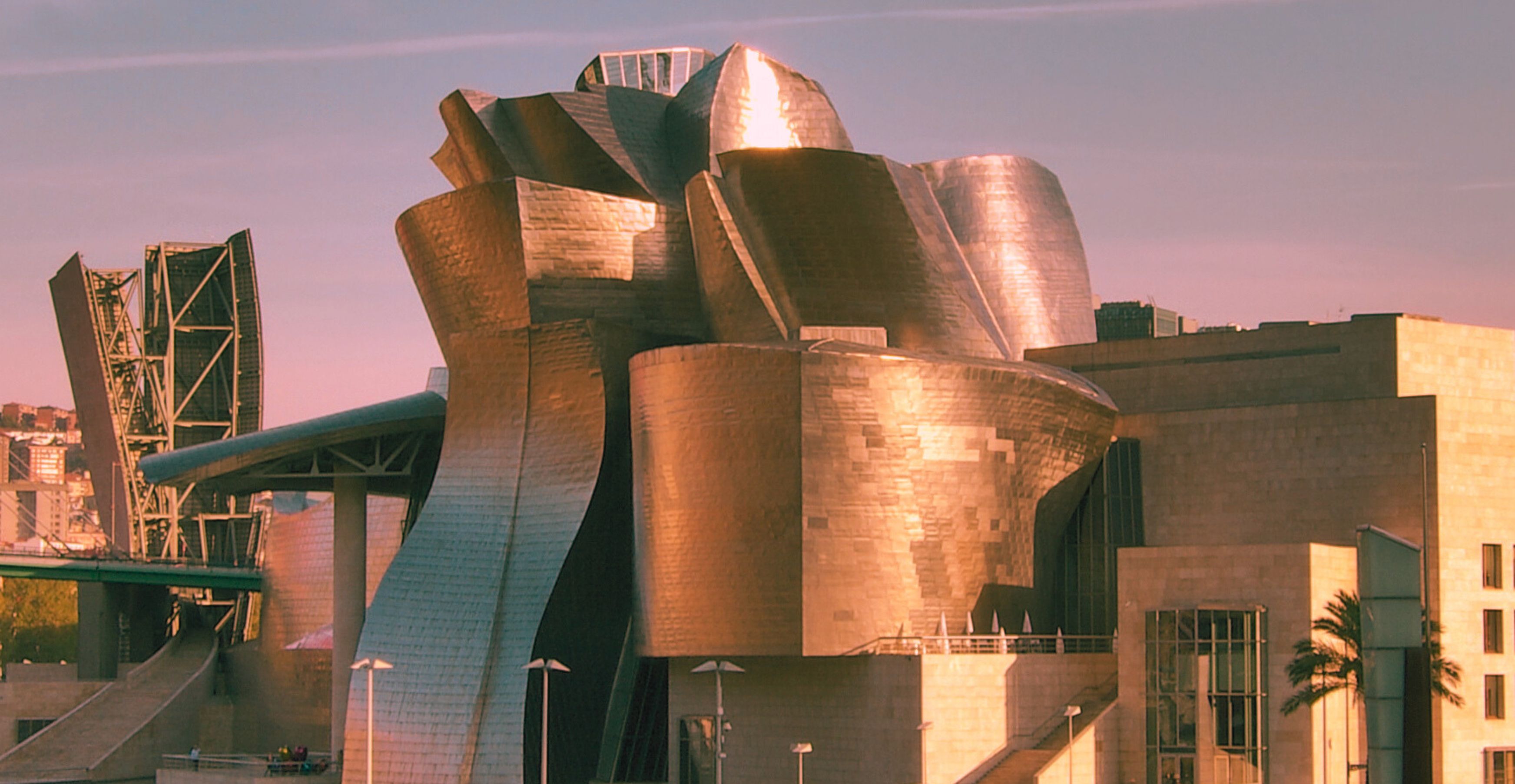
Guggenheim effect: How a single museum transformed Bilbao

Landmarks have the power to redefine cities and pave the way for a brighter future. Throughout the 80s, the Basque city of Bilbao was paralyzed with poverty, unemployment, terrorism, and following population decline. In the decade from 1981 to 1991, 60 thousand out of the 430 thousand inhabitants moved out.


The city's bleak outlook changed when officials made a bold step in 1991 to focus on creating a brand new museum in cooperation with the Solomon R. Guggenheim Foundation. It was opened in 1997, with construction costs of 89 million dollars (about €168 million today, if adjusted for inflation).


The investment paid off multifold. In its first three years, nearly 4 million tourists visited the Guggenheim Museum, generating about €500 million in economic activity. International visitors exceeded local ones for the first time in 2003, with 43% of visitors coming from abroad. The miraculous turnaround became known as the "Bilbao effect."

Untitled design (13).jpg
  • jpg


In 2016, the museum's earnings were seven times higher than its annual subsidies. From 1997 to 2021, it generated $6.5 billion in revenue, channeling $911 million in tax revenue back to the state and increasing the gross domestic product (GDP) by $5.9 billion.

Between 1998 and 2009 alone, it's estimated to have helped create 45,000 regional jobs. It played its part in stopping the population decline and the number of inhabitants rising again in the current decade.


The Guggenheim Museum was only a part of the transformation. Officials also focused on redeveloping the city's riverbanks, which had been heavily industrialized, by cleaning the Nervión River, creating new public spaces, and modernizing transportation with a new metro system.


Bilbao is one of many cities that experienced a similar story. The same can be said for Sydney and its opera house. In England's county of Cornwall, the Eden Project not only brought inspiration for sustainability landmarks but also helped dramatically the region facing economic difficulties after the decline of its mining and clay industries, leading to high unemployment


About Shift

About Shift

Shift is a steward-owned societal enterprise founded to enable large-scale societal and ecological change. Shift is 95% owned by a foundation, and will enable everyone to become a co-owner and an active participant in Shift's mission.

Through art, architecture, digital tools, community programs and immersive experiences, Shift helps people to a new type of personal wellbeing. By fostering community and connection, Shift makes the transition to a greener, more circular future more tangible, shareable and actionable.

About the Shift Embassy

The Shift Embassy - in full: Shift Embassy for a Better World - is conceived as a purpose-driven destination combining immersive art, architecture, community building, storytelling, and real-world examples of sustainable living and business practices. Built around global achievements and success stories in nature, energy, travel, and circularity, the aim is to inspire a mindshift at home and work. Shift’s goal is to move from individual, to collective and ultimately to systemic change.

About the five finalist designs

Ecosistema Urbano (ES) — A Living Landmark. a regenerative ecosystem and evolving social organism that nurtures biodiversity and collective life.

Heatherwick Studio (UK) — ‘Urban Reef’: a building for Rotterdam, shaped by layers of activity that echo a reef‑inspired ecosystem, gathering people, sparking climate awareness and inspiring lighter ways of living.

Mecanoo (NL) — House of Shift Rotterdam: an icon centered on upcycling, carbon storage, energy neutrality, and joyful exploration.

MVRDV (NL) — Rotterdam ROCKS! is a collection of porous, living rocks that imagines Rotterdam’s new landmark through ecology and experience.

Office for Political Innovation (ES) — Planetary Landmark for the Climate Age: a working section through a changing world, where climate is sensed and reshaped collectively.

About Waterkant

Waterkant is a major urban development in Rotterdam planned to include 3,750 new homes, schools, cultural venues, offices and a new train station. Built around a new tidal park, the district is designed as a resilient, nature-positive model aligned with the city’s long-term climate adaptation strategy.

About DVDL

The Shift competition advisor is DVDL, a cultural planning and visitor experience strategy agency that transforms spaces and organizations by pairing innovative program mixes with design and cultural interventions. The firm inspires people to see the world differently through dynamic visitor experiences shaped by culture.

Contact details

Receive Shift news on your RSS reader.

Or subscribe through Atom URL manually